Australia’s leading yoga equipment supplier
 DISCOUNTS |
 1300 760 108
Wholesale Discounts:
1300 760 108
Wholesale Discounts:
Up to 35% off products and all orders $750+ 5% off, $1500+ 10% off or $2500+ 12.5%. No ABN or application required.
Australia’s leading yoga equipment supplier
DISCOUNTS |
1300 760 108
Wholesale Discounts:
Up to 35% off products and all orders $750+ 5% off, $1500+ 10% off or $2500+ 12.5%. No ABN or application required.
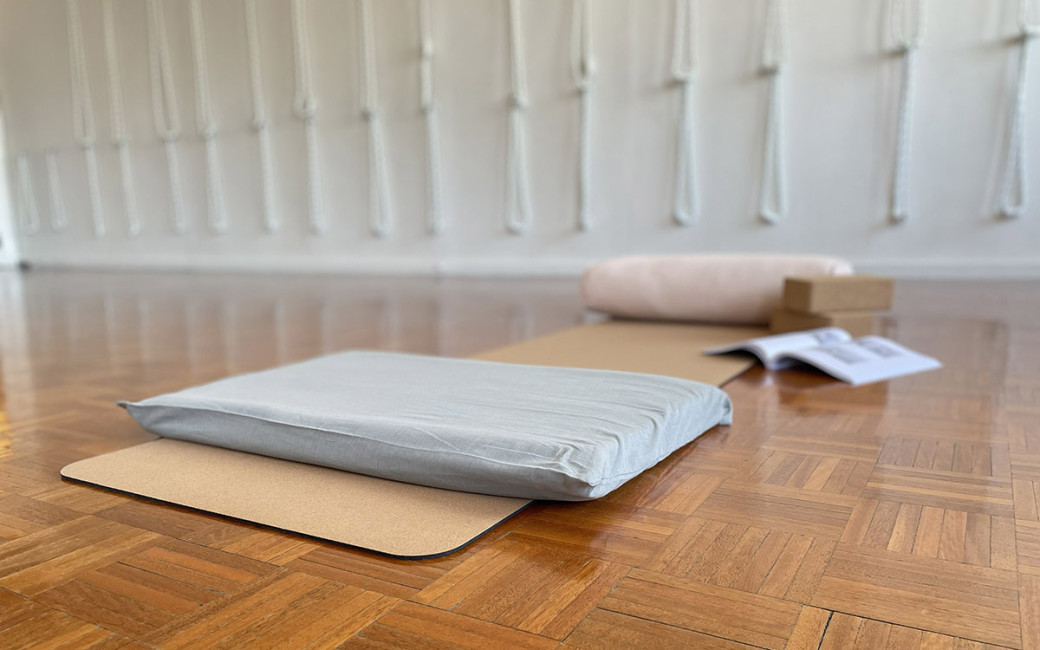
One of the most frequently asked question we get is ”which yoga mat should I get?”. With so many to choose from it can be hard to distinguish one from another. And mats can be a very personal choice. We all have different needs and requirements. Below is a handy guide to explain the differences for each of our current yoga mats, and the qualities you should consider.
Jump to summary of iYogaprops Current Yoga Mats
When looking for the best yoga mat for you think about the features you will need and how you will use it. For example if you’d like a mat that is easily portable you might want to look at a lighter weight mat. If you are tall or like extra room a long mat could work better. For those with hard floors or dodgy knees a thicker mat will give you more comfort. Or if you have balance issues a firmer mat might help your stability. Or if you tend to get sweaty hands, then you will need a mat with a surface that grips well with moisture.
A good way to start narrowing down your options is to consider how thick you need the mat to be. If you are wanting to take your mat to class or a yoga retreat a light-weight mat is easier to carry around. These are usually 4mm thick or less. The 4mm thickness mats are also suitable for carpeted floors, and those who prefer a firmer surface. Most 4mm mats are under 2 kg with some travel mats being under 1kg.
A 5 to 6.5mm thick yoga mat is great for harder floors and is most commonly found in yoga studios. They provide a good amount of cushioning, yet still have a firm surface for stability. Some like the studio mat are still portable at 2.5kg and are suitable to take outside or to class. At iYogaprops we specialise in yoga mats and do not stock any thicker than 6.5mm as they can be quite difficult to maintain balance on.
The standard size of a yoga mat is usually about 60cm wide and 180cm long. This suits most people, and provides a good balance between usable surface and portability.
If you are a taller person or prefer more room an extra long yoga mat at 200cm would be more suitable. Yoga mats like the Kurma range are a little wider than average at 66cm and a great for a little extra space.
The most common material you find is non-toxic PVC. PVC is strong, stable and very long wearing. There is usually a texture on the surface to provide a great grip which improves over time. A PVC mat has what we call a “closed cell structure” which basically means it will not absorb moisture, sweat or bacteria. This makes it easy to clean and perfect for high rotational use. PVC mats are ideal for yoga studios and those that would like their mat to last a long time.
TPE is commonly advertised to be a good environmental choice. It is like a cross between plastic and rubber and can be quite spongey. In our experience they go out of shape and degrade quickly and for that reason we no longer stock them.
Rubber is also great material for those wanting a more natural yoga mat. They are usually made from tree rubber or in some cases recycled rubber. Rubber does naturally contain latex, so it is not suitable for people with a latex allergy. The surface feels smooth and needs no wearing in time. Rubber is a great material for hot yoga, or those with extra sweaty hands. The downside is natural rubber does degrade over time and is best kept out of the sun. You will often find rubber combined with other materials such as jute, cork or polyurethane.
Jute is a strong fibre derived from plants. We most commonly know it from hessian sacks. On its own the mats tend to curl up and move as they lack structure. But paired up with a material like natural rubber, it becomes a string material with good grip. You will also find jute paired with PVC however from our experience this tends to be more of a aesthetic choice and offers no obvious benefit.
Cork yoga mats usually have a rubber base and can be used on either side. Again the surface feels smooth, and works well for people with sweaty hands. They generally have a nice firm surface for stability balanced with a bit of cushioning.
Polyurethane is durable synthetic polymer and usually has a smooth texture. Unlike PVC it will absorb moisture and sweat. This makes it a good choice for sweaty hands and hot yoga as the surface of the mat remains dry.
In no particular order, here is a brief run down of all our currently available yoga mats. For current pricing please use the product links.
Each of our mats has been carefully selected for its unique combination of comfort, performance, and durability. Whether you’re a beginner just starting your yoga journey, an experienced practitioner, or a teacher looking for reliable studio mats, this guide will help you find the right fit. From lightweight budget options to deluxe professional-grade mats that last a lifetime, there’s something here for every body, every style, and every budget.
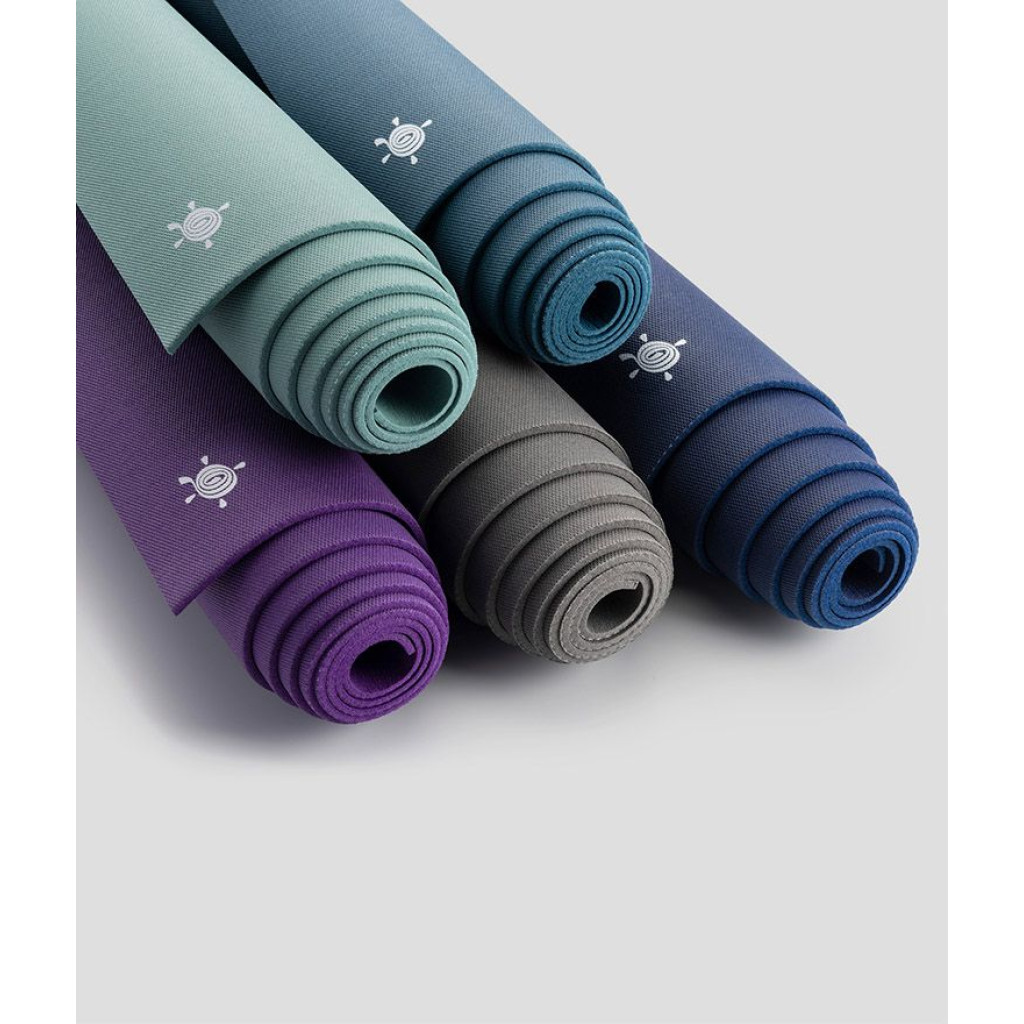
The Kurma CORE (Grip) series yoga mats are a high-end mat made in Germany. They are available in 4.2mm and 6.5mm and 185cm long or 200cm long and are a little wider than most yoga mats at 66cm. The 4mm version is light enough to carry around, and the 6.5mm provides a good amount of cushioning without being too soft. They have a lovely top surface that wears in very quickly after about a week of use. The Kurma CORE offers excellent grip, though is less effective with very sweaty hands. These mats are extremely durable and will last a lifetime.
Choose me for: High-end quality that lasts a lifetime
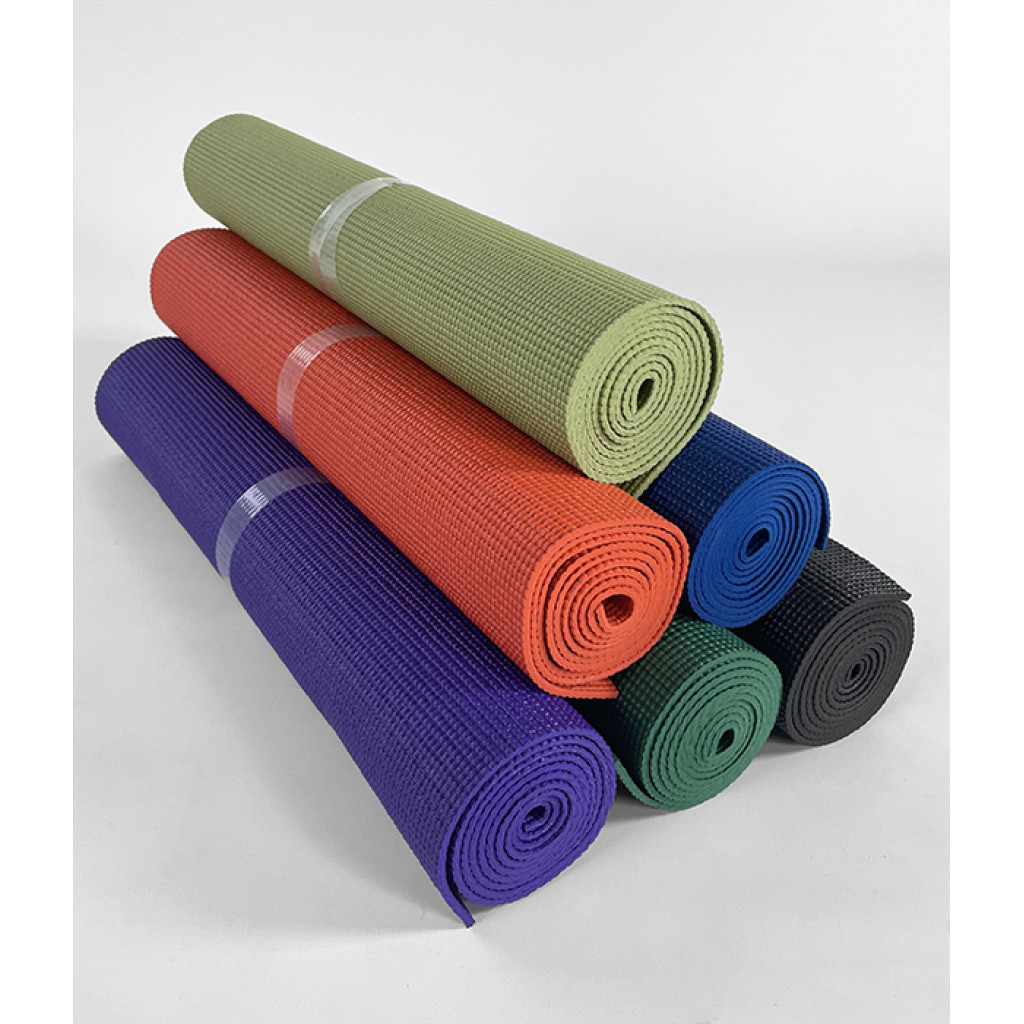
The Easy Grip Yoga Mat is a great light-weight budget mat. Easy to roll up and carry to class. This mat can be used over a yoga studio’s mat if extra cushioning is required. It has a good sticky grip and is firmer and higher quality than other budget mats you see on the market.
Choose me for: Low budget and portability
Our studio mat is a great workhorse yoga mat. 6mm thick is has a cushioning to it, without being too soft to balance. It’s available in 180mm and 200cm lengths and is very popular among yoga studios. This mat will tolerate heavy use for a very long time, and is excellent value.
Choose me for: Quality all-rounder
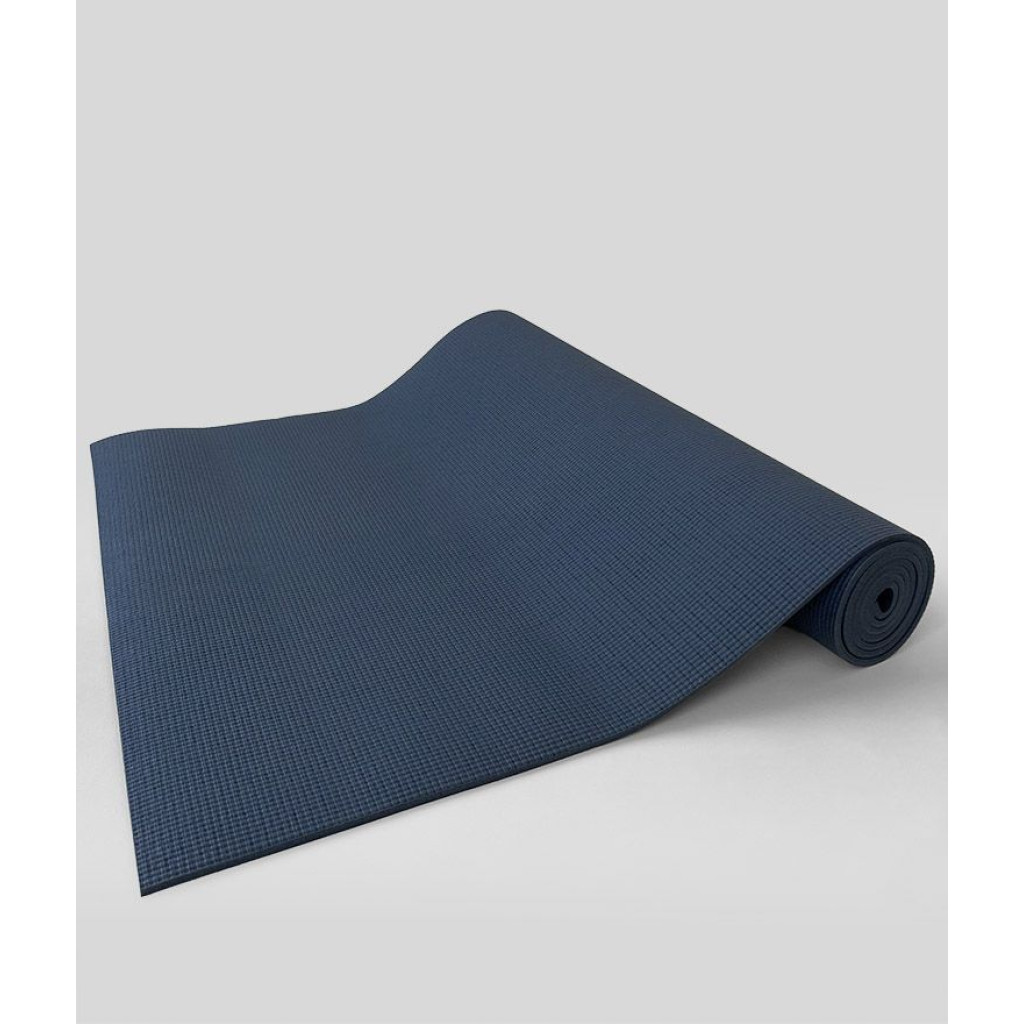
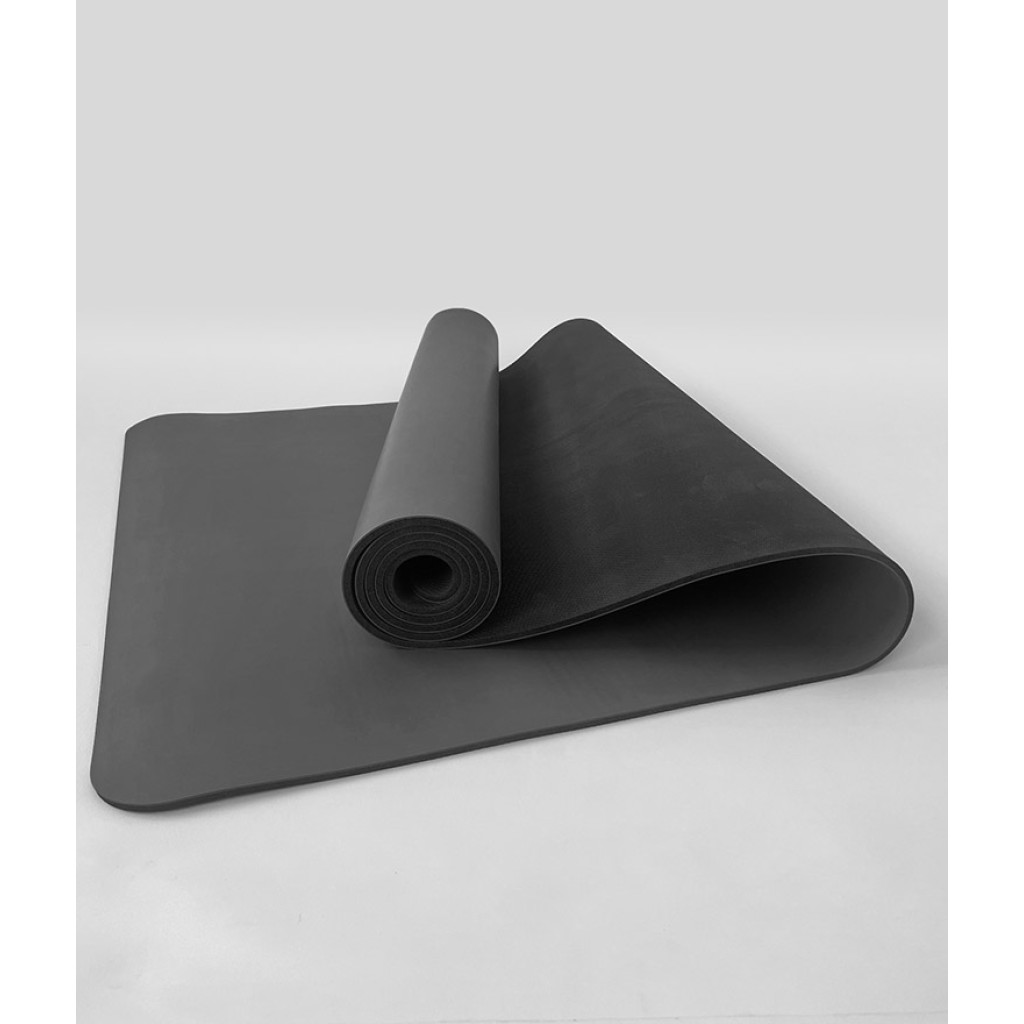
If you are looking for a mat that works well in humid conditions or with sweaty hands, then this is your yoga mat. The Asana flow yoga mat is rubber on one side and a high-grip surface on the other. Designed to absorb moisture the top layer of this yoga mat stays dry and grippy. Gentle care and storing out of direct sunlight will increase the lifespan of the mat. At 5mm thick it provides a good amount of cushioning. Available in 4 colours.
Choose me for: Excellent grip even with sweaty hands
A firm long wearing 6mm mat the Sadhaka Deluxe Studio Yoga Mat is a favourite with yoga studios. This is another 2 sided mat, with two different textures and tones on each side. The grip takes a little while to develop, but once it does you will have a very sturdy mat that will last for decades. This is one of our heavier mats at 3.2kg and comes in 185cm and 200cm lengths
Choose me for: Firm long lasting support
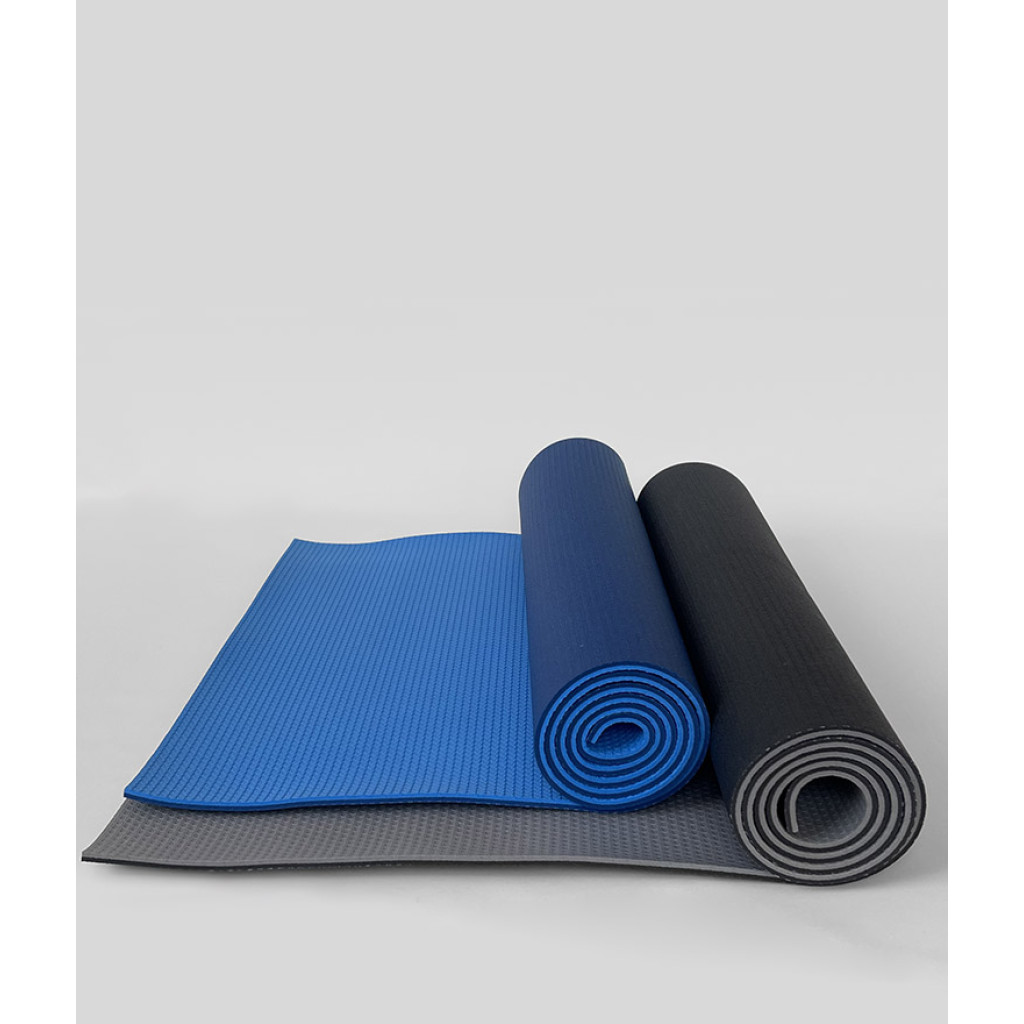
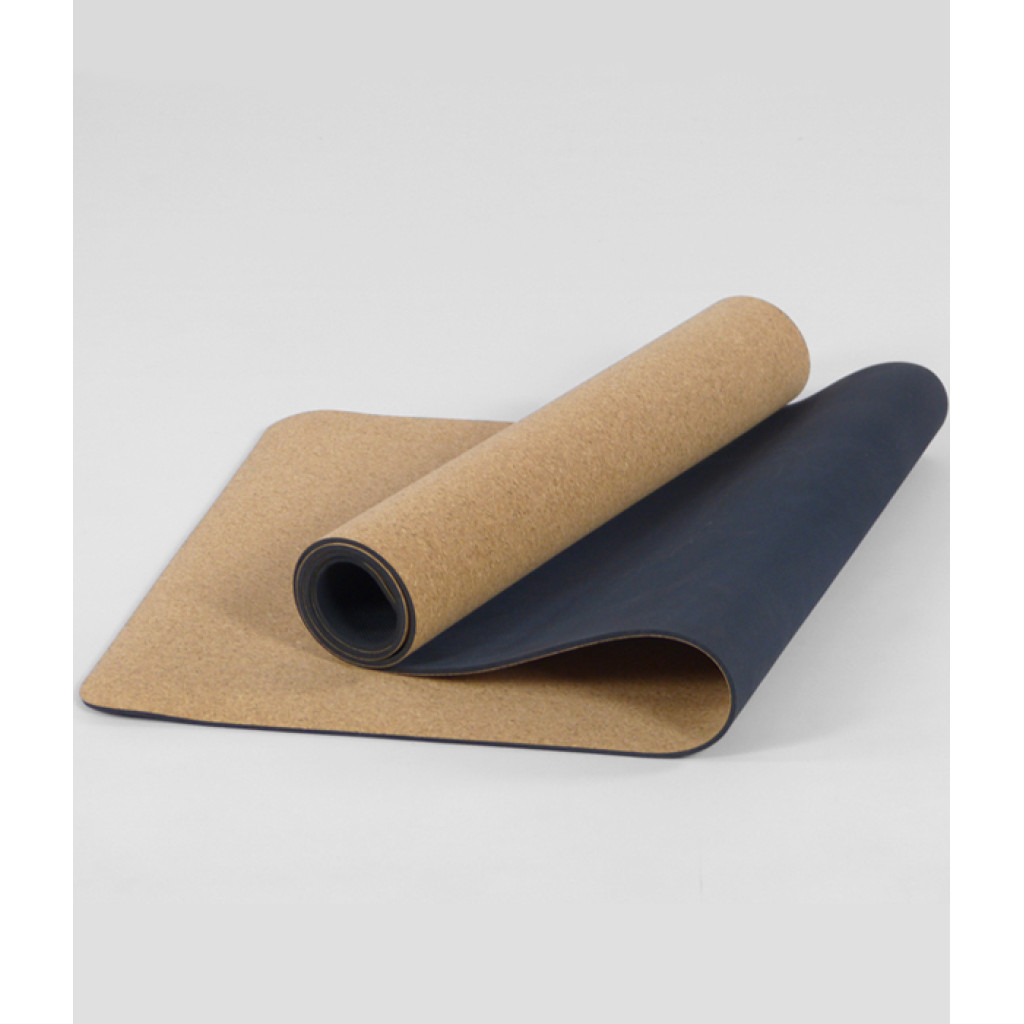
The Sadhaka Cork yoga mat is designed for those who prefer natural products. It’s a 2 sided mat, with hardened cork on one side, and rubber on the reverse. Like all rubber products it’s best to store out of direct sunlight. This mat works well with sweaty hands, and is 5mm thick.
Choose me for: Eco option
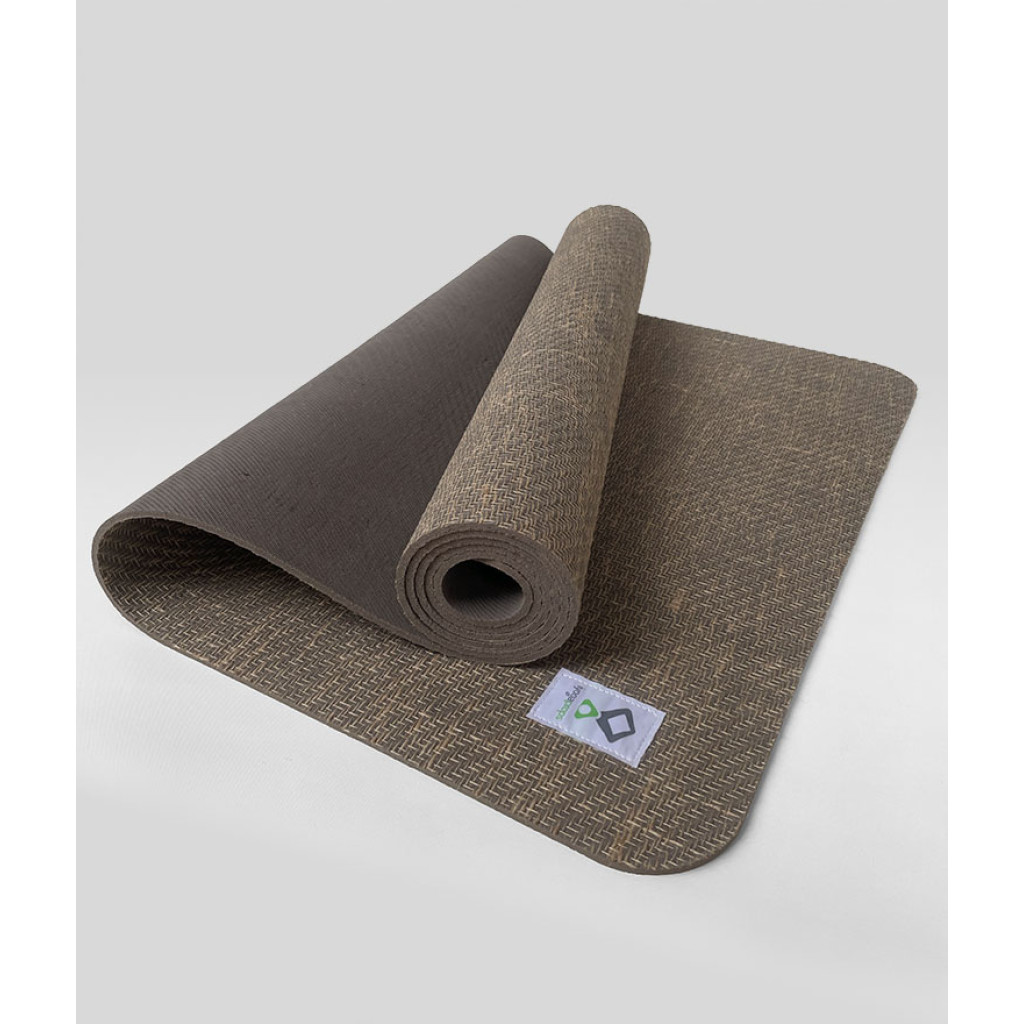
Made from natural rubber and strengthened with jute the Natural Rubber and Jute Yoga Mat is perfect for the environmentally conscious. The rubber provides excellent grip even in more humid conditions and the jute offers texture for extra grip. This mat does have a natural smell from the rubber which does ease with time. It is best to keep this mat out of direct sunlight and only wipe with a damp cloth. Keep in mind rubber does eventually degrade with time.
Choose me for: Natural environmentally friendly materials.
At the end of the day, the best yoga mat is the one that feels right for you, your practice, and your lifestyle. Whether you want something light to carry to class, extra cushioning for comfort, or a mat that stands up to hot yoga sessions, there’s an option to suit your needs.
Think about how and where you practice most often, and what matters most for example grip, support, sustainability, or longevity. Once you’ve got that clear, choosing becomes easy.
And if you’re still not sure which mat is right for you, we’re always happy to help. Give us a call on 1300 760 108 and we can provide any extra information you need.
For a brief history on yoga mats, and an explanation of materials and why we choose the ones we stock see Peter’s blog What’s the Best Yoga Mat in the World?
Find advice on caring for your new yoga mat and wearing it in here on the Yoga Mat Care page
For suggestions of ways to reuse an old yoga mat read our short blog Recycle, Reuse, Repurpose